Hansel and Gretel Go Into the Deep, Dark Woods
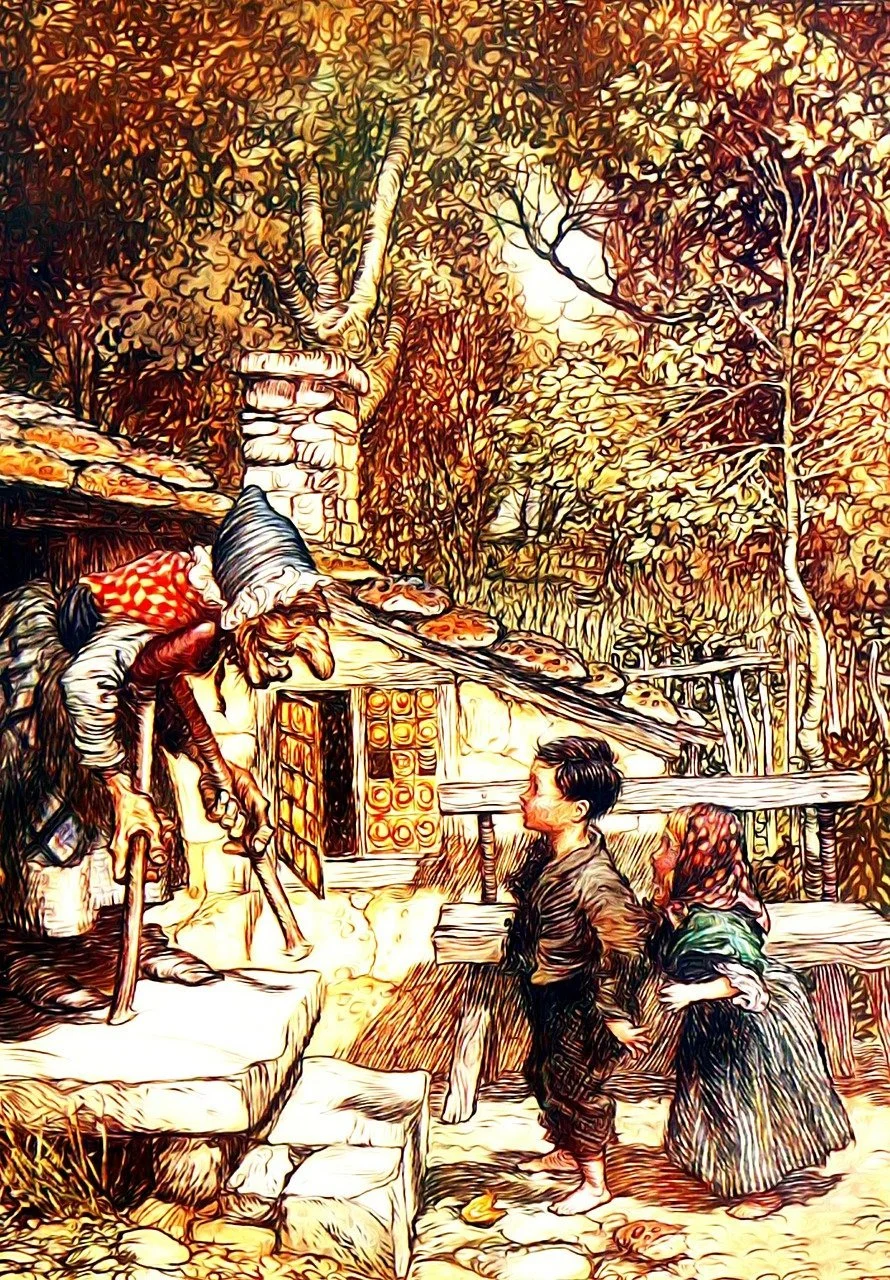
Once upon a time…
Every parent and teacher shared “the real” fairy tales with children.
At bedtime. At circle time. On the pages of early reading texts.
And few were as beloved as Hansel and Gretel. What was not to like?
Children playing in the forest. A house made of candy. The triumphover the mean old witch. And a happily ever after.
But then…we decided that like so many ancient tales of magic, this one was too scary. And so could hurt kids.
Like teeter totters. And swinging too high on wooden swings. And climbing up slides.
Yet as we work so hard to eliminate risk and challenge from children’s stories and play, something REALLY scary is happening.
Children have become less skilled at handling stressors, both large and small.
They grow into less resilient adults. And that’s not good for anyone.
So: check out those resilient siblings, Hansel and Gretel. And learn!
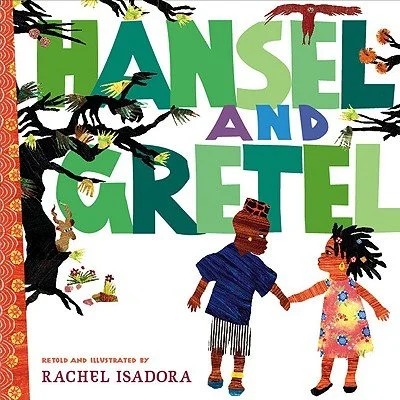
Hansel and Gretel
Retold and Illustrated by Rachel Isadora
Why this variant?
Collages with vivid colors and simple shapes have a child-like feel
Many collage “pieces” look fingerpainted
Simple, straightforward retelling
Familiar European story is set in Africa
Different landscapes, plants, animals
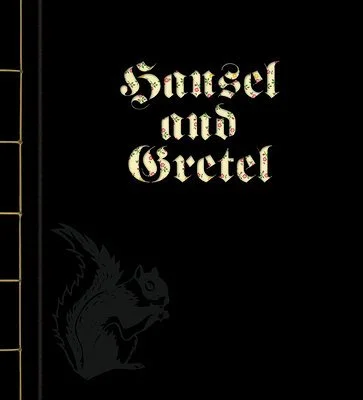
Hansel and Gretel
Told by The Brothers Grimm
Illustrated by Sybelle Schenker
Why this variant?
Stunning die cut illustrations with translucent overlays
Seeing through to next pages invites foreshadowing
Illustrations give a shadowy, somewhat spooky feel to book.
Unique style encourages children to reimagine familiar story
Piecing Together Executive Functions
Inspired by Rachel Isadora’s artwork in her version of Hansel and Gretel?
Combine children’s favorite art processes of fingerprinting and collage, like she does! Full details here on the blog!
It’s a great way to keep the process in process art AND use up all those curled finger paintings!
How does it develop Executive Functions?
*Cognitive flexibility*
Children can see many possibilities as they play with random bits of color and shape!
What ELSE can I make or see? If I want to make a house…is there a shape like a chimney? Can I make one? Those bits look like candy! Where can I glue them?
* Working memory*
Holding in mind the steps to snip, or to glue, or even where to put their papers when they’re done, all build working memory.
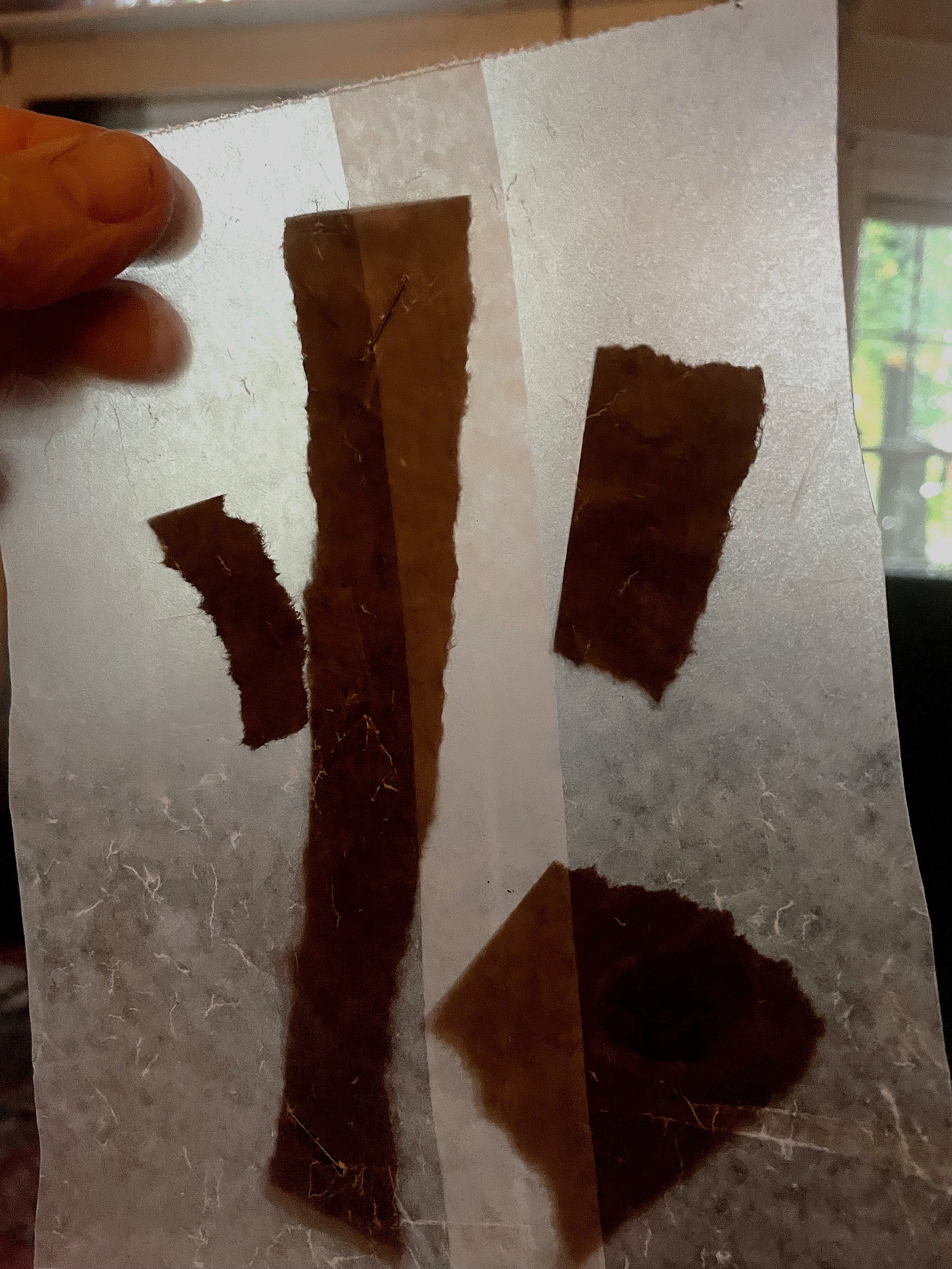
Waxy Shadows
Children are fascinated by shadow play!
Using just wax paper and basic art materials, you can bring executive functions (EF) out of the shadows! And channel Sybelle Schenker’s version of Hansel and Gretel!
Check out full details of this fascinating and easy process on our blog!
How does it develop Executive Functions?
*Cognitive flexibility*
Seeing things in a new way (like through wax paper!) encourages flexible thinking.
And allowing children to experiment with different ways of attaching scraps to wax paper is a great way to get them to generate alternative problems and solutions.
*Working memory*
Cutting, tearing, gluing, taping: all of these processes require a sequence of steps.
Be sure to demonstrate how to use new materials first to maximize this.
Kids CAN discover how to tear off pieces of tape etc. on their own. But it may have a different learning outcome than working memory…not better or worse: just different!