Something from Nothing: Stories, Loose Parts and Executive Function
Once upon a time…
Cinderella’s fairy godmother waved her wand, and glass slippers appeared, so that the girl could go to a ball.
Jack’s “worthless” beans grew into a beanstalk that offered great riches.
A grandfather made a blankie for his baby grandson. And when the blankie became worn and tattered, he made it into a jacket…and then a vest…and then a tie…and then a button.
Folk and fairy tales are rich with examples of making something out of nothing.
And that’s one of the ways they nurture our resilience. It’s way easier to bounce back from adversity if we can imagine ways to make that proverbial lemonade out of the sour lemons that life may hurl our way!
That’s why the executive function of cognitive flexibility is a protective factor for resilience!
This week’s stories offer both an ancient and a modern take on “what if” thinking!
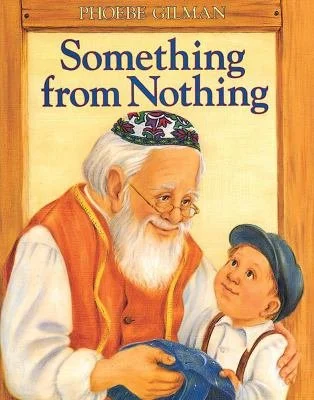
Something from Nothing
Retold and illustrated by Phoebe Gilman
Why this version:
Main character is a young child WITH A BLANKIE!
Warm portrayal of extended families
Rhythm and repetition support storytelling
Mother’s chants as each item becomes tattered rhyme and are humorous
At the end, there is “just enough to make a story”
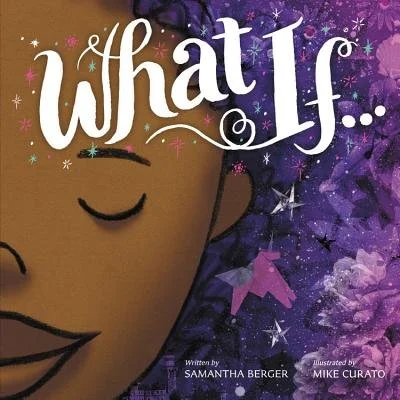
What If…
Written by Samantha Berger
Illustrated by Mike Curato
Why this story:
Joyful celebration of the many ways to tell a story
Playful collage illustrations include multi-media and photos
Simple, rhythmic tale shows how imagination and “what if” thinking will always save the day
What If…Buttons were Loose Parts?
When I was a child, my mother had a (magical!) button box.
I still remember the feeling and sounds of just running my fingers through them! And what fun games and constructions we invented!
I always had a button box in my classroom. And over the years, I was stunned by the many innovative ways the buttons were used. Cognitive flexibility at its best!
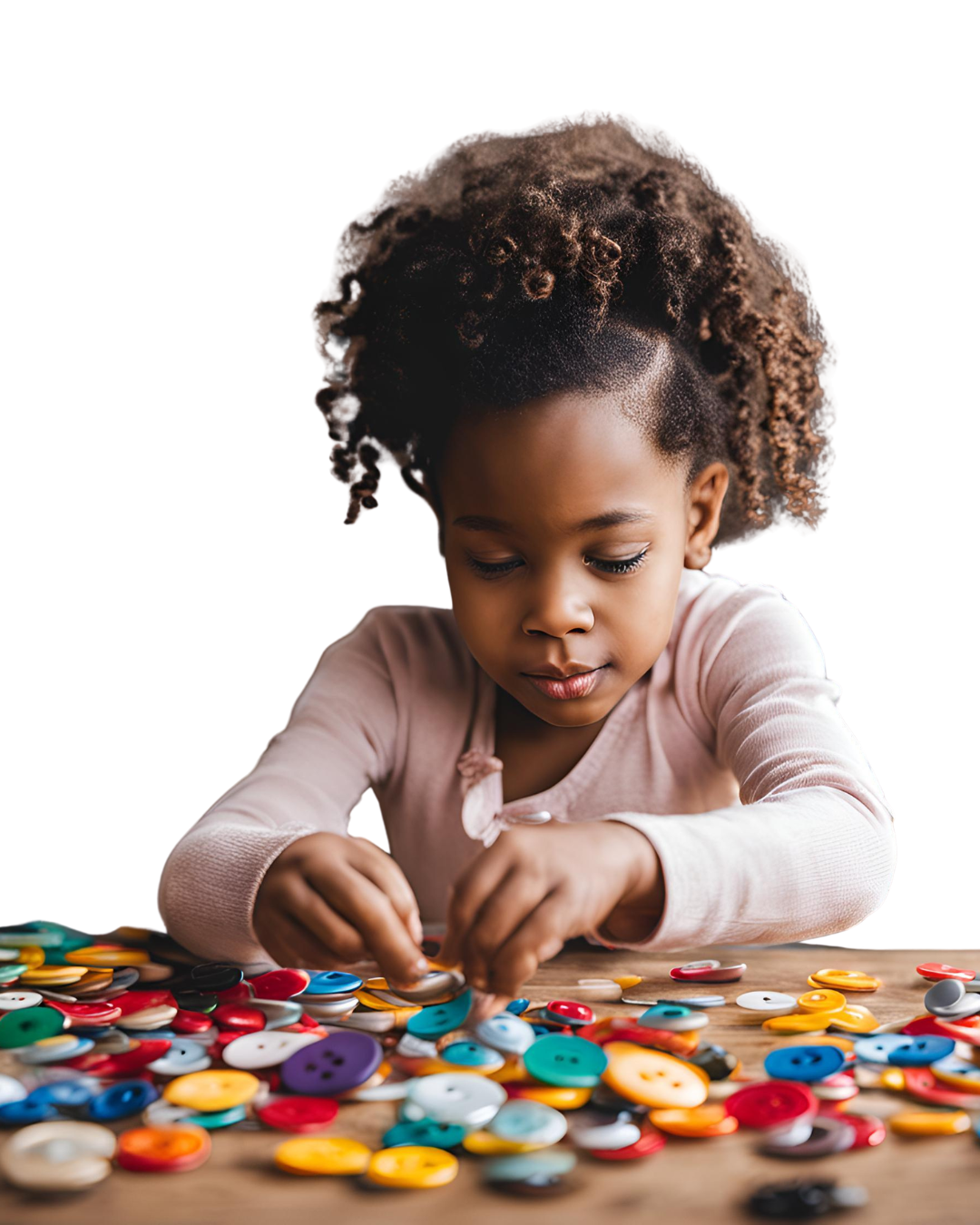
The variety of shape, size, texture and materials invite children to sort, line up, build, roll, stack, design, trace… They use them to explore whatever schema they are currently developing!
Try putting out a button box in the sensory table. Or in the block area. Or dramatic play. Or with your manipulatives. And watch the loose part magic happen! (Need more ideas? Here’s a great post of loose part button ideas!
No button box?
Here are some ways to start (or add to) a button collection!
Extra buttons come with some clothes (ask families to save them too!)
Garage sales
Thrift stores
Clearance bins at craft/fabric stores
Friends/relatives who sew
Dry cleaners
Button Society members! (yes, this is a real thing!)
Buttoning Up Executive Functions
Simple childhood games are powerful ways to develop the cluster of brain skills we call executive functions. Here are some button games to try!
Hide the Button
Adult or child hides a button. Then others try to find it. The one who finds it is the next “Hider.”
How it nurtures executive functions:
The “Hider” and the “Seekers” both have to use cognitive flexibility to figure out good hiding places.
The Seekers use inhibitory control to keep from peeking.
The Hider uses inhibitory control not to blurt out clues when others get close.
Both use working memory so hiding places aren’t repeated.
Button, Button, Who’s Got the Button?
This classic game has children sitting in a circle, holding their hands together. The “Button Kid” goes around the circle with clasped hands, and touches hands with each child, pretending to give them the button.
Except of course: one child actually GETS the button!
After 1-2 go rounds, the children guess who’s got the button. The guesser becomes the “Button Kid.”
You can find detailed directions here, if you don’t remember it!
How it nurtures executive function:
Everyone practices inhibitory control as they try to keep a straight face when they either deposit or receive the button!!!
The “Button Kid” uses working memory to keep track of who has been tapped, and who has not.
Older children may use cognitive flexibility to switch up strategies.
Miss Mary Mack Clapping Hand Game
Hand games are phenomenal ways to develop working memory and inhibitory control! (And have been pivotal in nurturing cultural connection and resilience in some communities for centuries…)
Younger children may be familiar with simple games like “Pat-A-Cake.”
A more complex rhyme is the popular Miss Mary Mack.
“Miss Mary Mack, Mack, Mack
All dressed in black, black, black
With silver buttons, buttons, buttons
All down her back, back, back.”
Etc!
How it nurtures executive functions:
Watch this video from the Smithsonian Folklife archives and see if you can spot the EFs being practiced!
What do YOU think?
I’d love to hear how you use the ideas from this newsletter with children!
What other button stories do you share? Corduroy? Pete the Cat and His Four Groovy Buttons? Which are your favorites?